Industry Background
The PMI measures month-on-month change in non-oil private sector business conditions; readings above 50 indicate expansion. The UAE's non-oil economy — logistics, trade, tourism, financial services, construction, retail — now accounts for the substantial majority of GDP and is the principal focus of national diversification strategy.
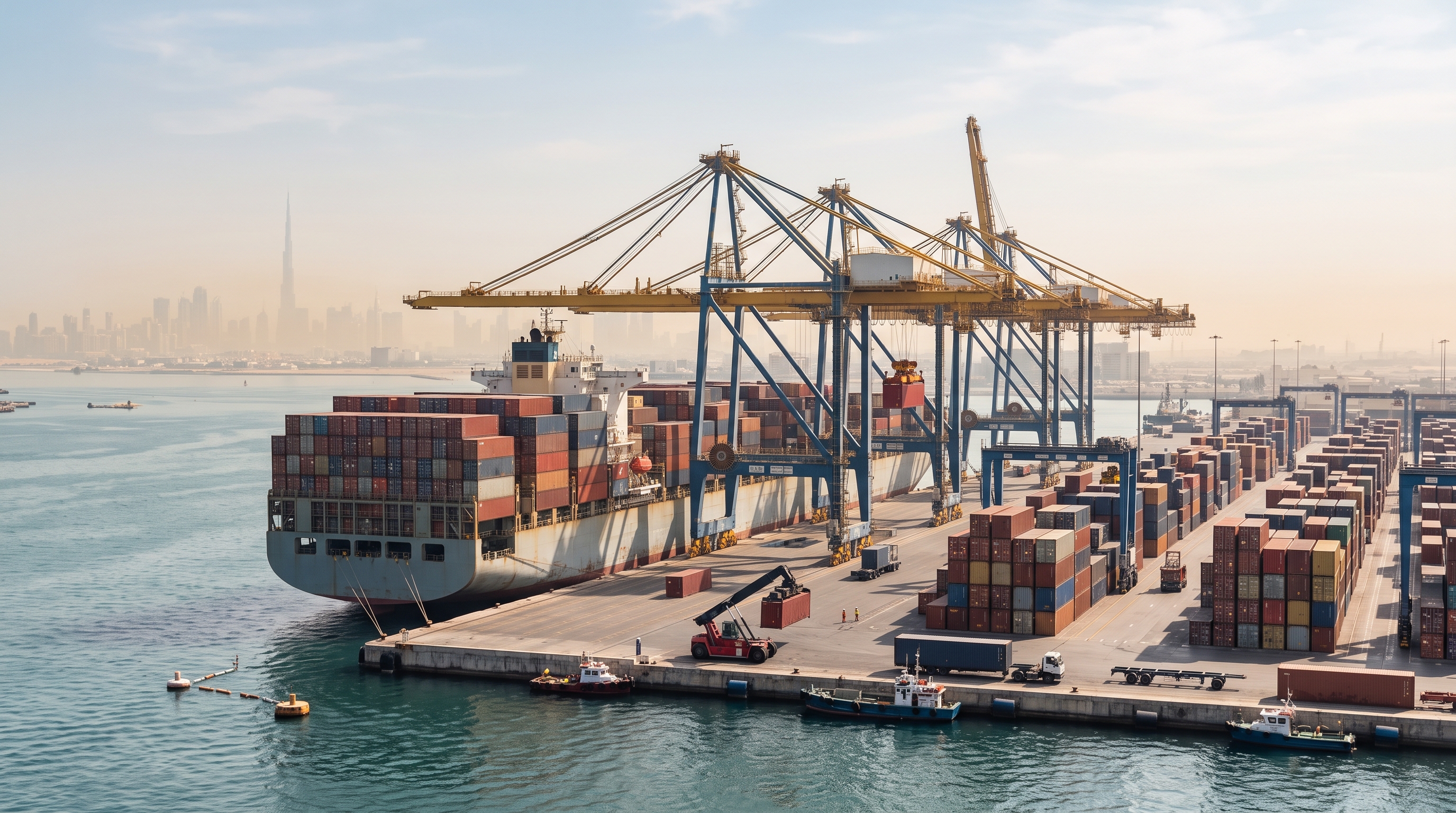
The 2026 disruption was significant. Regional conflict affected shipping routes, insurance costs, travel demand and corporate investment decisions across the Gulf. Export orders contracted through the second quarter. Saudi Arabia's non-oil sector saw its first weakening since August 2020 earlier in the year.
The August reading indicates the UAE economy has largely absorbed that shock within a single business cycle.
Why This Matters
The composition of the recovery matters more than the headline figure.
Export order recovery is the strongest signal. Domestic demand can be supported by government spending and population growth; export demand reflects genuine external competitiveness and the normalisation of trade flows. Two consecutive months of export expansion after a quarter of contraction indicates that trade routes and counterparty confidence are functioning again.
Confidence at a seven-month high, attributed to investment plans and development projects, points to forward commitment rather than backlog clearance. Firms restocking after a disruption produce one strong month; firms making investment decisions produce sustained expansion.
The speed of recovery is itself a competitive attribute. Multinationals selecting regional headquarters locations weigh operational resilience heavily. A demonstrated ability to absorb a major regional shock and return to growth within months is a substantive argument for the UAE.
Implications for Businesses
Companies that reduced capacity, deferred hiring or postponed investment during the conflict period should reassess. The window in which caution was the correct posture has closed, and competitors making the turn first will capture the recovering demand.
Supply chain planning should be revisited. Easing supply constraints and improving lead times reported in the survey change inventory economics — firms carrying defensive stock levels are now carrying unnecessary working capital.
Exporters should re-engage markets deprioritised during the disruption. Regional buyers who shifted to alternative suppliers are reachable, but the window for re-entry narrows as those relationships consolidate.
Hiring conditions will tighten. Firms with expansion plans should move on recruitment before competitors return to the market.
Implications for the UAE Market
The recovery validates the diversification model. An economy dependent on hydrocarbons and regional stability alone would not have rebounded this quickly. Breadth across logistics, financial services, tourism and trade provided the absorption capacity.
Combined with the Oxford Economics Global Cities Index published this week, which placed Dubai second globally in human capital, the picture is of an economy whose fundamentals held through the shock.
Companies should nonetheless avoid over-extrapolating. PMI measures rate of change, not level. A strong reading after a weak period reflects recovery toward baseline; it does not by itself establish a new growth trajectory. Two or three further months of readings above 55 would be required to confirm that.
Implications for International Companies
For companies that paused UAE market entry or regional expansion during the conflict, the practical case for resuming is now supported by data rather than sentiment. Market entry decisions deferred in Q2 should be reopened.
For international firms already operating regionally, the UAE's relative resilience — recovering faster than some Gulf peers — supports arguments for consolidating regional functions in the Emirates.
For companies in smaller partner markets, including Georgia, the recovery of UAE import and re-export demand restores a significant channel. UAE buyers who reduced procurement during the disruption are returning to market.
Suggested Actions for Executives
-
Reopen investment, hiring and expansion decisions deferred during Q2 2026. The data supports action.
-
Exporters: contact regional accounts that went quiet during the disruption, before those relationships settle elsewhere.
-
Review inventory and working capital assumptions against improving supply conditions.
-
Move on recruitment ahead of the broader market — labour market tightening typically lags PMI recovery by one to two quarters.
-
Track the September and October PMI releases before committing to multi-year capacity expansion. Confirm the trend before scaling to it.